Geriatric
Onset
Laryngeal
Paralysis
Polyneuropathy
Find out more about this neurological disease that affects so many in the section below, and also by exploring the community using the shared links.
Understand how Ash and many others have been affected.
Let’s join the movement and raise more awareness on GOLPP - take a look at the Events.
Giving them a voice to speak about GOLPP
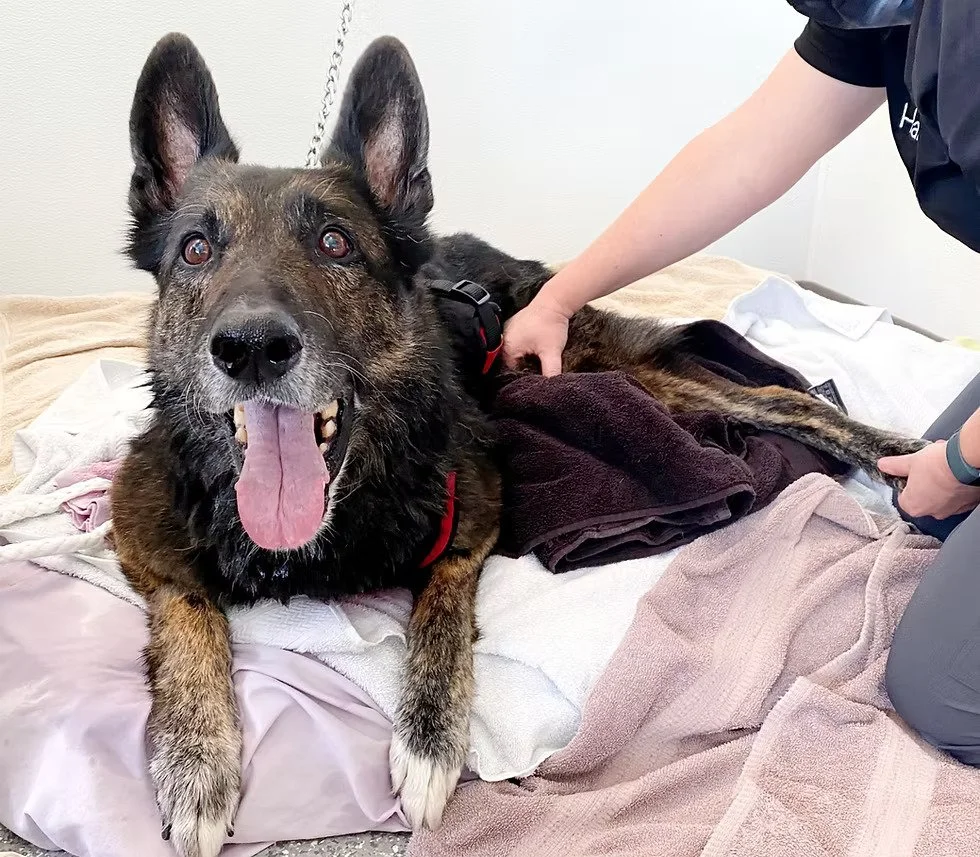
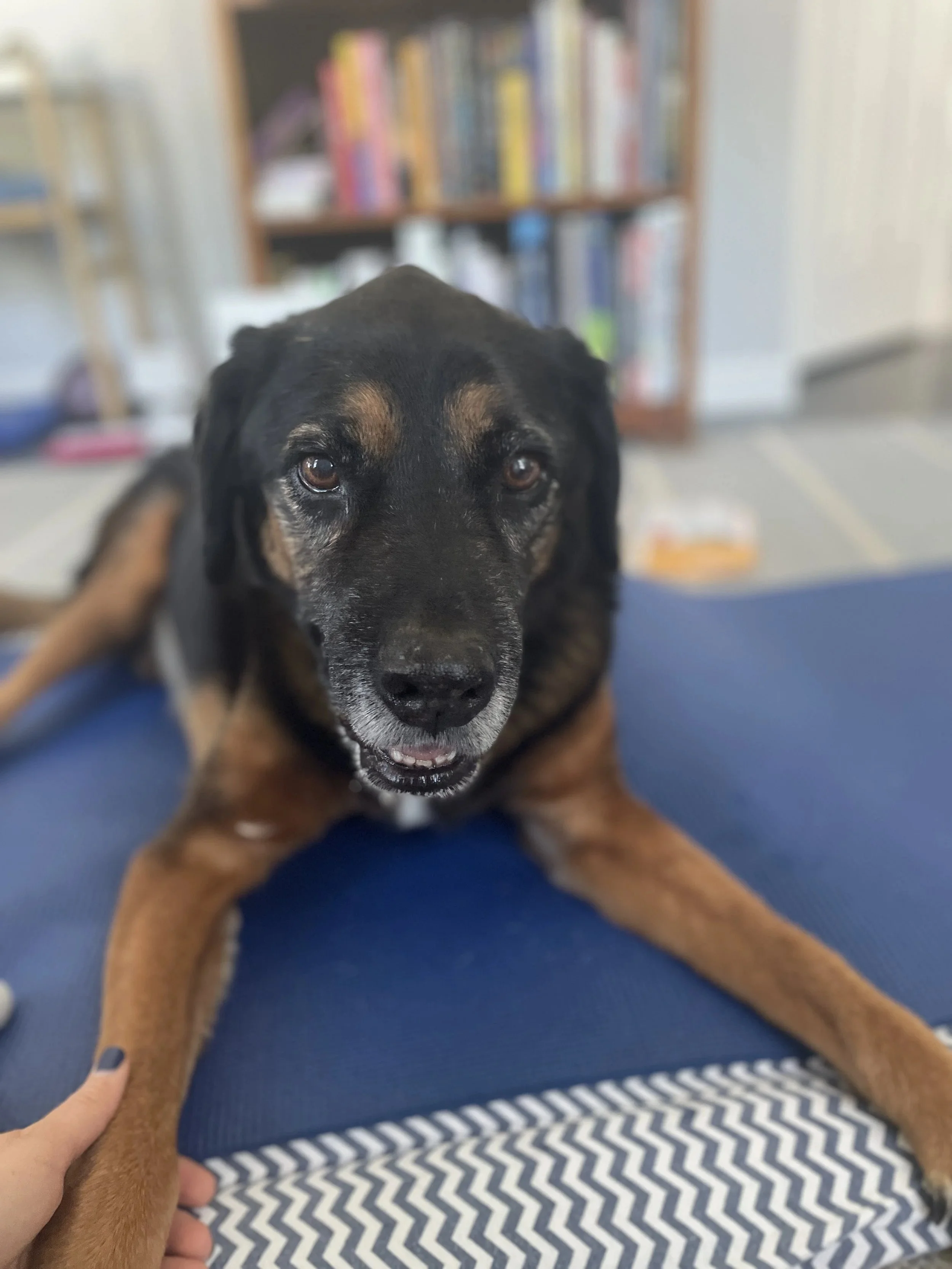
GOLPP is most commonly seen in older, large-breed dogs. This neurological disease can affect dogs differently, with symptoms varying in type and severity. One of its most recognisable features is partial paralysis of the larynx (voice box), known as laryngeal paralysis. Other effects can involve the oesophagus and hind limbs, making their later years that much more difficult.
If you notice any of the following changes in your dog, speak to your vet.
Noisy or raspy breathing
Excessive panting
Coughing
Gagging
Regurgitation
Exercise or heat intolerance
Changes to the sound of their bark
Weakness or changes in the hind limbs
Difficulty breathing, blue/grey gums or tongue, or collapse are emergencies. Seek urgent veterinary attention immediately.
If something doesn't feel right, trust your instincts — and don't be afraid to seek a second opinion.
GOLPP and laryngeal paralysis can develop gradually, so early changes can be easy to put down to simply getting older.
More on GOLPP..
The damaged neurological pathways can no longer communicate as effectively as they once did. In dogs with GOLPP, the nerves controlling the larynx, oesophagus and hind limbs can be affected, leading to the debilitating symptoms associated with the disease.
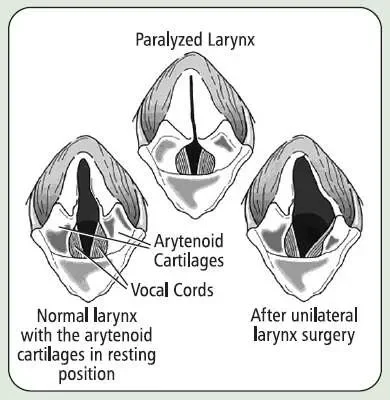
Currently, there is no known treatment routinely available in veterinary practice that can reverse the underlying neurological damage. Instead, treatment focuses on managing its effects. Procedures such as laryngeal tie-back surgery can help improve breathing, while supportive measures such as physiotherapy can help dogs maintain their mobility and independence for as long as possible.
GOLPP can have a profound effect on a dog's quality and enjoyment of life, particularly in their later years when they may already be coping with other age-related aches and pains.
~
There is currently no cure for GOLPP, but recognising it early can give owners and their vets more time to manage its effects and protect their quality of life.
Seeking advice from your veterinary practice should always be the first step if you are concerned about your dog.
If you've found this information helpful and would like to learn more about GOLPP, laryngeal paralysis and the conditions associated with it, the following resources are a good place to continue your research:
Laryngeal Paralysis — Cornell University College of Veterinary Medicine
Learn about laryngeal paralysisLaryngeal Paralysis & Tie-Back Surgery — Willows Veterinary Specialists
Learn about laryngeal tie-back surgeryGeriatric Onset Laryngeal Paralysis Polyneuropathy (GOLPP)
Learn about GOLPP and polyneuropathyGOLPP Project
Visit All About GOLPP